

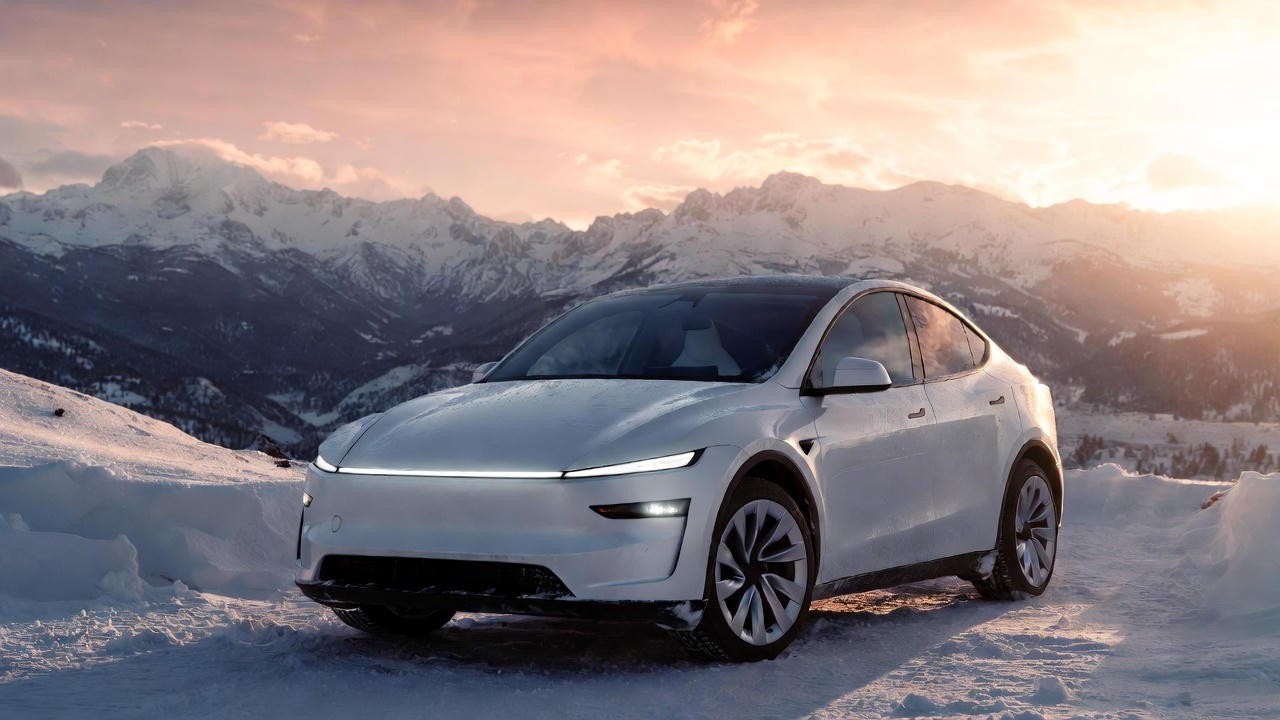
Picture this: It's a crisp December morning, you're bundled up, coffee in hand, and you hop into your Model Y or Plaid. The app says 300 miles of range when you parked last night. But as you pull out of the driveway in 20°F weather, that number starts tumbling faster than a snowball downhill. By the time you're on the highway, you're staring at 200-220 miles and wondering if you'll make it to work without a detour to a Supercharger.
If this sounds familiar, you're not alone. Winter range loss is the #1 complaint we hear from Tesla drivers every year — and it's gotten a ton of attention this season with the fresh snow hitting the Midwest and Northeast. But here's the good news: it's not a "Tesla problem." It's physics. And more importantly, it's fixable — often with simple habits that can claw back 15-25% of your lost range.
I've been driving Teslas through Midwest winters for years (Model 3, then Y, now a Plaid), and at EVAAM we've talked to thousands of owners dealing with the same thing. This guide pulls from the latest 2025 data — including Recurrent's massive study of 30,000+ real-world vehicles, owner reports from forums, and Tesla's own engineering insights — to break it all down. No fluff, no myths. Just science, numbers, and practical tips that'll make your winter drives less stressful.
Let's dive in.
The Science: Why Cold Weather Hits Your Tesla's Range So Hard
Electric vehicles aren't unique in losing efficiency in winter — gas cars drop 10-25% MPG too from thicker fluids and longer warm-ups. But EVs feel it more dramatically because everything runs on that single battery pack.
Here's the breakdown of the main culprits:
- Battery Chemistry Slows Down: Lithium-ion batteries (what powers every Tesla) rely on chemical reactions to store and release energy. In cold temps, those reactions slow way down. Ions move sluggishly through the electrolyte, increasing internal resistance. Result? The battery can't deliver its full capacity until it warms up. At freezing (32°F), this alone can knock off 10-20%. Below 20°F, it's closer to 25-30% temporarily.
- Cabin Heating Drains Power: Unlike gas cars that get "free" heat from the engine, EVs have to generate it. Older Teslas used resistive heaters (basically big electric coils — 100% efficient but straight from the battery). Newer ones (2021+ Model Y, refreshed S/X, Highland 3) have heat pumps that move heat around instead of creating it — up to 300% more efficient.Even with a heat pump, heating the cabin in sub-20°F weather can eat 5-8 kW continuously — that's like running your AC on max in summer.
- Denser Air = More Drag: Cold air is thicker, so your aero-optimized Tesla has to push harder. At highway speeds, this adds 5-10% consumption.
-
Other Factors Pile On:
- Lower tire pressure (drops ~1 psi per 10°F)
- Snow/slush resistance
- More use of lights, wipers, defrosters
- Reduced regen braking (cold batteries can't accept fast charging)
Real Data: How Much Range Do Teslas Actually Lose in 2025?
Recurrent's 2025/2026 winter study (30,000+ vehicles) is the gold standard — real-world driving, not lab tests. Here's a snapshot:
| Temperature | Average EV Range Retention | Tesla Models (Heat Pump Equipped) | Worst Performers | Notes |
|---|---|---|---|---|
| 70°F (Ideal) | 100% | 100% | 100% | Baseline |
| 32°F | 78% (22% loss) | 85-88% (12-15% loss) | 69% (31% loss) | Heat pumps add ~10% advantage |
| 20°F | ~70% (30% loss) | 78-82% (18-22% loss) | ~60% | Short trips hurt most |
| 0°F or below | 60-65% (35-40% loss) | 70-75% (25-30% loss) | <60% | Preconditioning critical |
Specific Tesla numbers from Recurrent & owner aggregates:
- Model Y Long Range (2025 Juniper): ~85% at 32°F
- Model 3 Highland: ~87%
- Model S Plaid: ~83%
- Older non-heat-pump models: Closer to average (22-30% loss)
Consumer Reports' highway testing at 16°F showed ~25% loss at 70 mph. Reddit threads this winter report 25-40% on short commutes without preconditioning.
The takeaway? Teslas consistently rank in the top tier for winter range retention — better than most competitors — thanks to early heat pump investment and software smarts.
Why Teslas Handle Winter Better Than Most EVs (But Still Lose Range)
Tesla's heat pump (introduced widely in 2021) is a game-changer. The "Octovalve" system cleverly routes waste heat from motors and battery to warm the cabin — saving 15-20% energy vs resistive heating.
In extreme cold (<15°F), efficiency drops (physics again), but Tesla's software automatically manages it — sometimes blending resistive boost when needed.
Real owners on X and forums this December confirm: Preconditioned Teslas lose far less than unplugged ones.
Practical Solutions: How to Minimize Winter Range Loss
The best part? 80% of winter range loss is preventable with habits and minor upgrades.
1. Precondition Like Your Life Depends On It
The #1 tip from every long-term owner: Precondition while plugged in. The car uses grid power to warm the battery and cabin — zero range hit.
- Schedule via app for your morning departure.
- Expected gain: 15-25% more real-world range.
2. Smart Heating Habits
- Use seat + steering wheel heaters first (they draw ~100W vs 5kW for full HVAC).
- Set cabin to 68°F max.
- Enable "Auto" — Tesla's algorithm is smarter than manual max.
3. Driving Adjustments
- Low Regen mode on slippery roads (preserves control, slight efficiency trade-off).
- Gentle acceleration (instant torque + cold tires = spin).
- Check tire pressure weekly.
4. Winter Tires Are Non-Negotiable
All-season tires lose grip below 45°F. Dedicated winters (e.g., Michelin X-Ice or Nokian Hakkapeliitta EV) improve traction and can add 5-10% efficiency in snow.
5. Other Pro Tips
- Park in garage.
- Use Chill mode for efficiency.
- Avoid unnecessary accessories draining power.
Here's a quick comparison table of common fixes:
| Fix | Effort Level | Expected Range Recovery | Cost | Best For |
|---|---|---|---|---|
| Precondition while plugged | Low (app schedule) | 15-25% | Free | Everyone |
| Seat/steering heat only | Low | 10-15% | Free | Daily commutes |
| Winter tires | Medium | 5-15% + safety | $800-1200 | Snowy regions |
| Grille insulation cover | Low | 5-8% | $50-100 | Highway drivers |
| Heated seat upgrades | Low | 8-12% (faster warm-up) | $200-400 | Comfort-focused |
Wrapping It Up: Winter Doesn't Have to Mean Range Anxiety
Yes, your Tesla will lose range in winter — physics doesn't negotiate. But with the right knowledge, that 30% hit can become 10-15%. Teslas already outperform most EVs thanks to smart engineering, and simple habits make them winter warriors.
If you're looking to make these fixes even easier, we've got some battle-tested accessories at EVAAM.com that thousands of owners swear by this season:
- Front Grille Insulation Cover: Reduces heat pump icing for better efficiency in single-digit temps.
- Aluminum Rim Protectors: Shields against salt corrosion that plagues winter wheels.
- Charge Port Silicone Seals: Prevents freezing shut on frosty mornings.
Stay warm out there, drive smart, and enjoy that silent torque even when it's snowing sideways.
— The EVAAM Team
Share:
Tesla Accessories Checklist USA: The Ultimate 2025 Beginner’s Guide to Must-Have Tesla Accessories
How to Protect Your Tesla’s Resale Value: The Ultimate Maintenance & Accessory Guide